
The Future of Blockchain Technology in 2026
As we approach 2026, the landscape of blockchain technology continues to shift dramatically, driven by a myriad of factors that include advancements in software, regulatory frameworks, and growing market demand. With new innovations emerging at a rapid pace, understanding the future of blockchain becomes increasingly crucial for businesses, developers, and investors alike. The ongoing conversations around blockchain 2026 highlight not only the potential of this technology but also the challenges and opportunities that lie ahead.
Current Blockchain Trends Shaping the Industry
The year 2026 is poised to witness various trends that are shaping the blockchain industry. Firstly, the rise of decentralized finance (DeFi) applications continues to capture significant attention. DeFi platforms offer users decentralized alternatives to traditional finance, enabling activities such as lending, borrowing, and trading without intermediaries. Furthermore, the adoption of non-fungible tokens (NFTs) has expanded beyond art and gaming into areas such as digital identity and supply chain management, showcasing the versatility of blockchain technology.
Another important trend is the increasing focus on sustainability and green blockchain initiatives. As environmental concerns grow, many blockchain projects are seeking ways to reduce their carbon footprint through energy-efficient consensus mechanisms and carbon offset programs. The shift towards eco-friendly practices is not only beneficial for the planet but also attractive to consumers who prioritize sustainability.
Key Innovations Expected in 2026
Several key innovations are expected to reshape the blockchain landscape by 2026. The integration of artificial intelligence (AI) with blockchain technology is one of the most promising developments. AI can enhance blockchain’s ability to manage data more efficiently, automate processes, and improve security protocols. Predictive analytics powered by AI will also allow for more accurate market predictions and risk management.
Moreover, interoperability between different blockchain networks is predicted to advance, allowing for seamless information exchange and fostering collaboration across platforms. This movement towards greater interoperability will enhance the usability of blockchain applications and enable more complex solutions that can benefit multiple sectors.
The Role of Cryptocurrency in Blockchain Applications
Cryptocurrency will continue to play a pivotal role in the evolution of blockchain technology. By 2026, we can expect to see greater integration between cryptocurrencies and traditional financial systems, potentially leading to the establishment of central bank digital currencies (CBDCs) in various countries. These state-backed digital currencies offer an opportunity to streamline transactions and enhance the regulatory framework governing digital assets.
Furthermore, the diversification of cryptocurrency offerings will likely lead to increased market participation. Investors will have access to a wider range of digital assets, each tailored for different use cases, from smart contracts to privacy-focused transactions. This diversification can spur growth and innovation within the ecosystem.
Major Blockchain Conferences to Attend in 2026
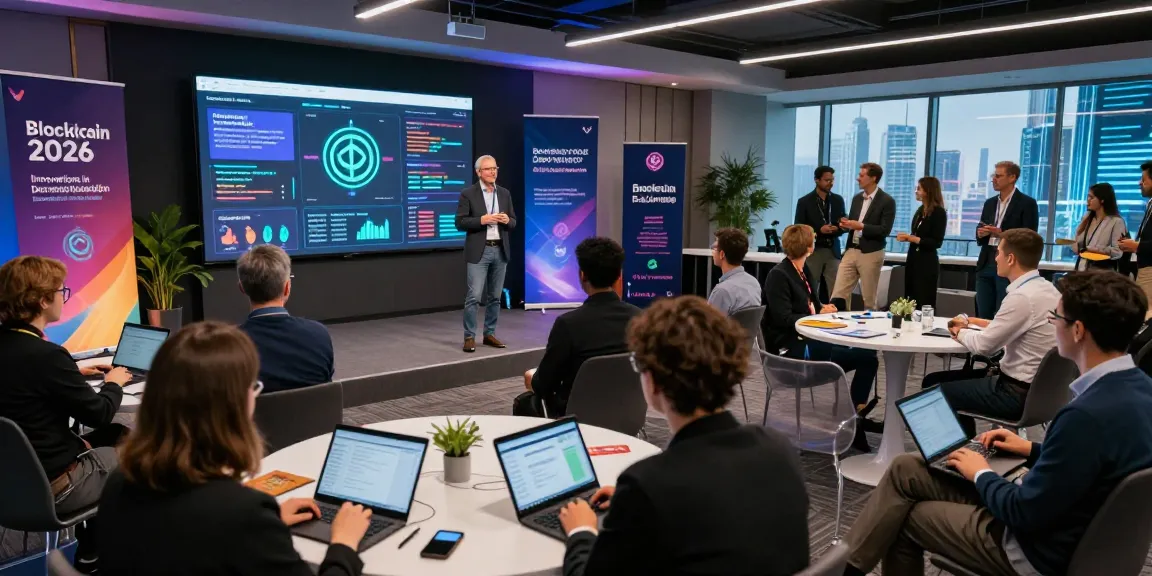
As the blockchain industry continues to grow, attending conferences becomes essential for staying updated on the latest trends and networking with peers. The year 2026 will feature several notable blockchain conferences that promise to bring together industry experts, innovators, and enthusiasts.
Highlighting Global Blockchain Events
One of the standout events is the Consensus Miami 2026, hosted by CoinDesk, which is expected to attract over 20,000 attendees. This conference will cover a wide range of topics, including the future of finance and the evolving landscape of Web3 technologies. Another significant event is the Paris Blockchain Week, taking place at the Carrousel du Louvre, where decision-makers from around the globe will gather to discuss the future of digital finance.
Additionally, the DC Blockchain Summit will focus on the intersection of blockchain and policy, bringing together legislators, regulators, and industry leaders to discuss how to shape regulations that foster innovation while protecting consumers.
Networking Opportunities for Professionals
Networking is a crucial component of any conference, and 2026 will offer ample opportunities for professionals to connect. Participants can expect to engage in discussions, workshops, and panels led by thought leaders in the blockchain space. These events will enable attendees to share insights, forge collaborations, and discuss emerging trends and technologies.
Furthermore, many conferences will incorporate exhibition halls where startups and established firms can showcase their products and services, facilitating direct engagement with potential partners and clients.
What to Expect at Blockchain 2026 Conferences
Attendees at blockchain conferences in 2026 can look forward to comprehensive sessions covering various aspects of blockchain technology, including governance, security, and integrations with AI and IoT. These conferences typically feature expert speakers who share case studies and insights into successful implementations across different sectors.
Participating in workshops and hands-on sessions will provide attendees with practical knowledge about deploying blockchain solutions, thus enhancing their technical skill set and understanding of the technology.
Challenges and Opportunities in Blockchain Adoption
Despite the promising future of blockchain technology, several challenges and opportunities need to be addressed to foster wider adoption across industries.
Common Misconceptions About Blockchain Technology
Many misconceptions surrounding blockchain technology can hinder its adoption. One prevalent myth is that blockchain is synonymous with cryptocurrency, leading to the belief that blockchain is only relevant in the financial sector. In reality, blockchain has far-reaching applications across various industries, including supply chain, healthcare, and voting systems.
Another misconception is that blockchain is entirely secure and immutable. While blockchain offers significantly improved security compared to traditional databases, vulnerabilities can still exist, particularly regarding smart contracts and user practices. Education plays a crucial role in dispelling these myths and promoting a more balanced understanding of blockchain technology.
Addressing Regulatory Concerns in 2026
Regulatory uncertainty remains one of the largest barriers to blockchain adoption. As more countries develop regulations concerning cryptocurrencies and blockchain technologies, businesses must navigate this evolving landscape. To mitigate risks, companies should stay informed about regulatory changes and engage with policymakers to advocate for fair regulations that foster innovation while ensuring consumer protection.
In 2026, proactive compliance strategies will be essential for businesses looking to leverage blockchain technology, and organizations must be prepared to adapt to changing laws and requirements.
Innovative Solutions to Adoption Barriers
To overcome barriers to adoption, several innovative solutions are emerging. One approach is the development of user-friendly blockchain platforms that simplify interactions for both technical and non-technical users. Enhanced user experience can reduce friction and facilitate broader acceptance of blockchain applications.
Additionally, partnerships between established businesses and blockchain startups can drive adoption. By leveraging the existing infrastructure and customer base of traditional companies, blockchain startups can scale their solutions effectively while providing innovative services.
Industry Case Studies: Successful Blockchain Implementations
Exemplifying the effectiveness of blockchain technology, several companies have successfully implemented blockchain solutions across various sectors.
Analyzing Successful Use Cases Across Sectors
In the supply chain industry, IBM’s Food Trust is a notable example, enabling transparency and traceability within the food supply chain. By allowing stakeholders to track produce from farm to table, the platform enhances food safety and reduces waste. Such implementation showcases the potential of blockchain to solve real-world problems effectively.
In healthcare, the use of blockchain for secure patient data management is gaining traction. Companies like Solve.Care are leveraging blockchain to streamline healthcare processes, improving patient outcomes while ensuring the privacy and security of sensitive information.
Lessons Learned from Blockchain Pioneer Companies
Studying the successes and challenges of pioneering companies in the blockchain space can provide valuable insights for new entrants. Key lessons include prioritizing user education, fostering collaboration with traditional industries, and maintaining adaptability to evolving technologies and regulations.
Future Predictions Based on Current Implementations
As we analyze the current landscape, several predictions can be made about the future of blockchain technology. First, we can expect an increased focus on interoperability between networks, allowing for more integrated solutions that serve diverse applications. Second, as blockchain technology continues to mature, the emergence of industry standards will facilitate smoother implementations and encourage wider adoption.
Preparing for the Blockchain Revolution in 2026
Organizations aiming to engage with blockchain technology must prepare effectively for its upcoming revolution by honing the necessary skills and resources.
Skills Needed for Blockchain Professionals
As the demand for blockchain expertise rises, specific skill sets will become increasingly valuable. Understanding cryptography, smart contracts, and distributed ledger technology will be essential for blockchain developers and engineers. Additionally, professionals should familiarize themselves with industry-specific applications of blockchain to provide specialized insights.
Educational Resources for Upcoming Trends
To keep pace with the rapidly evolving blockchain landscape, professionals and businesses should invest in continuous education. Online courses, certifications, and workshops focusing on blockchain fundamentals, legal implications, and industry applications can equip individuals with the knowledge necessary to thrive in this field.
Strategies for Businesses to Leverage Blockchain
For businesses looking to adopt blockchain technology, developing a clear strategy is crucial. Organizations should assess their existing processes and identify areas where blockchain can provide value. Collaborating with experienced blockchain consultants and technology providers can facilitate the transition and ensure successful implementation.
What are the top benefits of adopting blockchain technology?
Adopting blockchain technology offers numerous advantages, including enhanced transparency, security, and efficiency. Through immutable ledgers, stakeholders can gain greater trust in data accuracy while reducing the risks of fraud and data breaches.
How will blockchain technology impact traditional industries?
Blockchain has the potential to disrupt traditional industries by optimizing processes, reducing costs, and improving customer experiences. For example, in finance, blockchain can streamline cross-border payments, enabling faster and less expensive transactions compared to traditional banking systems.
What innovations can we expect from blockchain developers in 2026?
As the field matures, developers are likely to focus on creating more scalable and efficient solutions, incorporating AI and machine learning to enhance decision-making processes. Innovations may also include new consensus algorithms that prioritize sustainability and resource efficiency.
What are the potential risks associated with blockchain technology?
Potential risks include regulatory uncertainties, scalability challenges, and security vulnerabilities. It is crucial for organizations to identify these risks early and develop comprehensive risk management strategies to mitigate them effectively.
How can businesses prepare for the changes in blockchain trends?
Businesses should actively monitor blockchain developments, engage with industry experts, and invest in training and education for their workforce. Adapting to changes in technology will require a proactive approach to ensure companies remain competitive in a rapidly evolving environment.