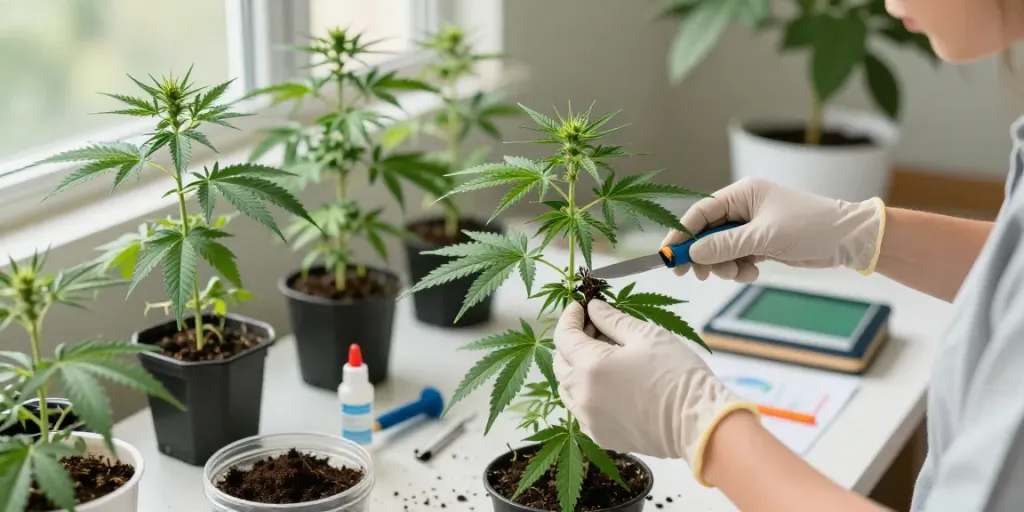
Understanding the Optimal Time for Cannabis Steckling Schneiden
The process of cloning cannabis plants through cuttings, commonly known as cannabis steckling schneiden, is an essential technique for cultivators aiming to maintain genetic consistency and maximize yields. Timing is everything in this delicate procedure; choosing the right moment to cut your cannabis stecklinge can make a significant difference in the success of your propagation efforts. This article delves into the critical factors influencing the optimal timing for cutting cannabis cuttings and offers practical tips for ensuring healthy growth from start to finish.
Identifying Plant Readiness for Cloning
Before making any cuts, it’s crucial to assess whether your cannabis plants are ready for cloning. Healthy mother plants are more likely to produce strong, viable cuttings. Look for the following indicators:
- Leaf Health: The leaves should be vibrant green and free of spots or discoloration.
- Stalk Strength: A robust stem supports better nutrient uptake, aiding in the recovery and rooting process.
- Growth Phase: The best time to cut is during the vegetative phase when the plant is actively growing.
Monitoring these signs will help ensure a successful cloning experience.
Seasonal Influences on Cutting Timing
The seasonal changes can affect the growth patterns of cannabis plants. Generally, spring and early summer are optimal, as plants are in their active growth phase. During these months, the increased daylight and warmth promote vigorous growth, enhancing the chances of successful rooting.
However, indoor growers can manipulate these environmental factors to their advantage regardless of the season. By regulating light cycles and maintaining stable temperatures, growers can create ideal conditions year-round. Aim to have your plants receive at least 16 hours of light daily during this period.
Environmental Factors for Successful Cutting
Environmental conditions play a significant role in the success of cannabis cutting propagation. Factors such as humidity, temperature, and light intensity must be carefully monitored and adjusted:
- Humidity: Maintaining high humidity levels (around 70%) can help prevent cuttings from wilting before they root.
- Temperature: An ideal temperature range between 20°C and 25°C fosters optimal growth conditions for cuttings.
- Light Quality: Using full-spectrum LED lights or fluorescent tubes can provide the appropriate light spectrum necessary for photosynthesis and root development.
Preparations Before Cutting Cannabis Stecklinge
Preparation is key to a successful cutting process. Ensuring that all necessary tools and conditions are met will facilitate a smooth operation.
Essential Tools for Cutting
Before you start cutting, gather the following tools to ensure clean and effective cuts:
- Sharp Scissors or a Scalpel: A clean, sharp cutting tool is crucial for making precise cuts.
- Rooting Gel or Hormones: These products enhance the rooting process and promote quicker development.
- Clean Containers: Ensure you have clean propagation trays or pots to place your cuttings in.
Hygiene Practices to Ensure Healthy Growth
Maintaining cleanliness is vital to prevent disease and infection. Follow these hygiene practices:
- Disinfect Tools: Clean your cutting tools with alcohol or another disinfectant before use.
- Wash Your Hands: Ensure your hands are clean to minimize the risk of transferring pathogens.
- Sanitize Surfaces: Before starting the cutting process, wipe down work surfaces with disinfectant.
Choosing the Right Mother Plant
Selecting a healthy and vigorous mother plant is one of the most critical aspects of the cloning process. Look for plants that are:
- Consistent in Growth: Choose plants that exhibit uniform growth patterns and characteristics.
- Stable Genetic Lineage: Consider using feminized seeds to ensure that the resulting cuttings will be female.
Techniques for Effective Cannabis Steckling Schneiden
Having prepared adequately, you can progress to the actual cutting of the cannabis stecklinge.
The Ideal Cutting Method
For optimal rooting, follow these steps during the cutting procedure:
- Choose a healthy branch with at least two to three sets of leaves.
- Make a clean, angled cut just below the node to promote root growth.
- Remove the lower leaves to prevent rot when inserting the cutting into the growing medium.
Using Rooting Hormones for Best Results
Utilizing rooting hormones can significantly enhance the success rate of your cuttings. Dip the cut end of the cannabis stecklinge into the rooting gel or powder before planting. This will stimulate root growth and increase the chances of successful propagation.
Temperature and Water Quality Considerations
Pay attention to the water quality used for your cuttings. Use distilled or filtered water to avoid harmful chemicals found in tap water. Additionally, maintain water temperatures between 20°C and 25°C to facilitate optimal conditions for root development.
Post-Cutting Care for Cannabis Stecklinge
After cutting, the work is not done. Proper care is essential for successful rooting and plant establishment.
Monitoring Environmental Conditions
Regular monitoring of environmental factors is crucial. Keep track of humidity levels using a hygrometer and adjust ventilation to maintain the ideal conditions. You should also check the temperature frequently to ensure it remains stable.
Signs of Successful Rooting
Successful rooting can typically be identified by observing the following signs:
- New Leaf Growth: If new leaves begin to appear, this indicates that the cutting is establishing itself.
- Root Visibility: When roots become visible through the drainage holes of the propagation container, it is time to consider transplanting.
Common Mistakes to Avoid After Cutting
Be mindful of common pitfalls:
- Overwatering: This can lead to root rot, so ensure that the medium is moist but not saturated.
- Inadequate Light: Ensure cuttings receive sufficient light as they establish roots.
- Neglecting Humidity: Maintain high humidity levels, especially in the early days after cutting.
The Importance of Genetics in Cannabis Stecklings
Genetics play a crucial role in the success of your cannabis cuttings. Understanding the genetic makeup of the mother plant can provide insight into what to expect from the clones.
Selecting Stable Strains for Cloning
Choosing stable cannabis strains ensures that the cuttings will exhibit consistent traits. Look for strains known for their vigor and reliability in cloning, as these will yield better results.
Role of Feminized Seeds in Cannabis Cultivation
By using feminized seeds to cultivate mother plants, growers can significantly enhance the efficiency of their propagation efforts. Female plants produce the desired flowers without the uncertainty of male plants, improving overall yield.
Future Trends in Cannabis Cloning Techniques
With the rise of technology in agriculture, advanced techniques such as tissue culture and genetic manipulation are gaining traction. These methods could revolutionize the way cannabis is cloned, leading to even more robust varieties and improved yields in the future.